
Services > Real Estate Tax Preparer
Real Estate Tax Preparer in Augusta
Owning rental property comes with responsibilities that continue long after the purchase is complete. You collect rent, arrange maintenance, pay expenses, and keep track of changes to the property. When tax season arrives, those everyday activities need to be brought together into financial records that explain what happened during the year. At Citi Tax Financial, we help Augusta property owners organize that information and prepare for filing.
Whether you recently purchased your first rental or have owned several properties for years, your tax preparation starts with understanding your situation. We ask how each property is owned, how it is used, and whether anything changed during the year. A purchase, sale, renovation, or period of personal use can raise different questions from those involved in a routine rental year.
We review the records you provide, follow up on missing information, and discuss the details needed for the applicable return. That may include rental income summaries, property management statements, expense invoices, purchase documents, and previous depreciation schedules. You have an opportunity to ask questions and review the prepared information before approving submission.
If you are looking for a real estate tax preparer in Augusta, start with the documents you have and a conversation about your properties. Citi Tax Financial helps you take the next step toward an organized filing process and a clearer understanding of the records behind your return.

What Does a Real Estate Tax Preparer Do?
A real estate tax preparer helps property owners report property-related financial activity on the applicable income tax returns. For rental owners, that involves understanding the income received, reviewing expenses, and identifying changes that may affect how the property is reported.
The work begins with the property’s history and use. A home rented to tenants throughout the year may need a different review from a former residence that has just become a rental. A property held personally may also involve different filing questions from one owned through a business entity.
At Citi Tax Financial, we ask about those details before treating the records as a complete picture. We review the information available and identify what else may be needed to explain the year’s activity. If you have several properties, keeping their records separate makes it easier to understand which income and expenses belong to each one.
Expenses also need to be considered according to their purpose. Routine repairs and larger improvements can receive different tax treatment. Improvements generally need to be capitalized and recovered over time, although applicable exceptions require review. A project’s cost alone does not tell the whole story, so invoices describing the actual work are useful.
Our preparation process also considers continuity between tax years. Earlier purchase information, improvement records, and depreciation schedules may remain relevant long after the original transaction. Bringing those records to your appointment helps us understand what has already been reported and what changed during the current year.

Common Reasons Property Owners Need Tax Help
Buying a first rental property is a common reason to seek tax preparation help. You may know what you paid and when the first tenant moved in, but still be unsure which closing documents to keep or how to organize the costs incurred before renting began. An early conversation helps identify the information needed for preparation.
Another challenge is keeping up with records throughout the year. Rent may arrive through a payment platform, maintenance invoices may be stored in email, and insurance or mortgage documents may be available through separate online accounts. Bringing those pieces together takes time, especially when you are also managing tenants and arranging repairs.
Owners with several properties often need a clearer way to separate financial activity. Combining every payment into one total can make it difficult to identify what belongs to a particular property. Individual property summaries help explain the records and make questions easier to resolve.
Renovations can introduce additional uncertainty. Replacing a component, repairing damage, or completing a larger project may require more information than a bank transaction provides. Keep itemized invoices and explain what work was completed, when it happened, and whether it formed part of a wider project.
Changes in use deserve attention too. Perhaps you moved out of a home and began renting it, stayed in a rental yourself, or offered a property for short-term bookings. Tell your preparer how the property was used rather than assuming the previous year’s approach still applies.
Selling a rental is another point when older documents become important. The sale paperwork is only part of the information needed. Purchase records, improvements, and prior depreciation can also matter when reviewing the transaction.
For owners with properties around Augusta and across the river in South Carolina, location is an important part of the discussion. Share where each property is located and where you live so any state filing questions can be considered.
You do not need to answer every tax question before contacting us. Explain what happened during the year, bring the available records, and we can discuss the preparation work needed.

Services >Real Estate Tax Preparer
Real Estate Tax Preparer in Augusta
Owning rental property comes with responsibilities that continue long after the purchase is complete. You collect rent, arrange maintenance, pay expenses, and keep track of changes to the property. When tax season arrives, those everyday activities need to be brought together into financial records that explain what happened during the year. At Citi Tax Financial, we help Augusta property owners organize that information and prepare for filing.
Whether you recently purchased your first rental or have owned several properties for years, your tax preparation starts with understanding your situation. We ask how each property is owned, how it is used, and whether anything changed during the year. A purchase, sale, renovation, or period of personal use can raise different questions from those involved in a routine rental year.
We review the records you provide, follow up on missing information, and discuss the details needed for the applicable return. That may include rental income summaries, property management statements, expense invoices, purchase documents, and previous depreciation schedules. You have an opportunity to ask questions and review the prepared information before approving submission.
If you are looking for a real estate tax preparer in Augusta, start with the documents you have and a conversation about your properties. Citi Tax Financial helps you take the next step toward an organized filing process and a clearer understanding of the records behind your return.
What Does a Real Estate Tax Preparer Do?
A real estate tax preparer helps property owners report property-related financial activity on the applicable income tax returns. For rental owners, that involves understanding the income received, reviewing expenses, and identifying changes that may affect how the property is reported.
The work begins with the property’s history and use. A home rented to tenants throughout the year may need a different review from a former residence that has just become a rental. A property held personally may also involve different filing questions from one owned through a business entity.
At Citi Tax Financial, we ask about those details before treating the records as a complete picture. We review the information available and identify what else may be needed to explain the year’s activity. If you have several properties, keeping their records separate makes it easier to understand which income and expenses belong to each one.
Expenses also need to be considered according to their purpose. Routine repairs and larger improvements can receive different tax treatment. Improvements generally need to be capitalized and recovered over time, although applicable exceptions require review. A project’s cost alone does not tell the whole story, so invoices describing the actual work are useful.
Our preparation process also considers continuity between tax years. Earlier purchase information, improvement records, and depreciation schedules may remain relevant long after the original transaction. Bringing those records to your appointment helps us understand what has already been reported and what changed during the current year.
Common Reasons Property Owners Need Tax Help
Buying a first rental property is a common reason to seek tax preparation help. You may know what you paid and when the first tenant moved in, but still be unsure which closing documents to keep or how to organize the costs incurred before renting began. An early conversation helps identify the information needed for preparation.
Another challenge is keeping up with records throughout the year. Rent may arrive through a payment platform, maintenance invoices may be stored in email, and insurance or mortgage documents may be available through separate online accounts. Bringing those pieces together takes time, especially when you are also managing tenants and arranging repairs.
Owners with several properties often need a clearer way to separate financial activity. Combining every payment into one total can make it difficult to identify what belongs to a particular property. Individual property summaries help explain the records and make questions easier to resolve.
Renovations can introduce additional uncertainty. Replacing a component, repairing damage, or completing a larger project may require more information than a bank transaction provides. Keep itemized invoices and explain what work was completed, when it happened, and whether it formed part of a wider project.
Changes in use deserve attention too. Perhaps you moved out of a home and began renting it, stayed in a rental yourself, or offered a property for short-term bookings. Tell your preparer how the property was used rather than assuming the previous year’s approach still applies.
Selling a rental is another point when older documents become important. The sale paperwork is only part of the information needed. Purchase records, improvements, and prior depreciation can also matter when reviewing the transaction.
For owners with properties around Augusta and across the river in South Carolina, location is an important part of the discussion. Share where each property is located and where you live so any state filing questions can be considered.
You do not need to answer every tax question before contacting us. Explain what happened during the year, bring the available records, and we can discuss the preparation work needed.
Recent Real Estate Tax Preparer help



Recent Real Estate Tax Preparer help
The 3-Step Process For
Real Estate Tax Preparer helps

Step 1 Schedule Your Real Estate Tax Consultation
Contact Citi Tax Financial and tell us about the properties involved. Explain where they are located, how they are owned, and how they were used during the tax year.

Step 2 Gather Your Property Income and Expense Records
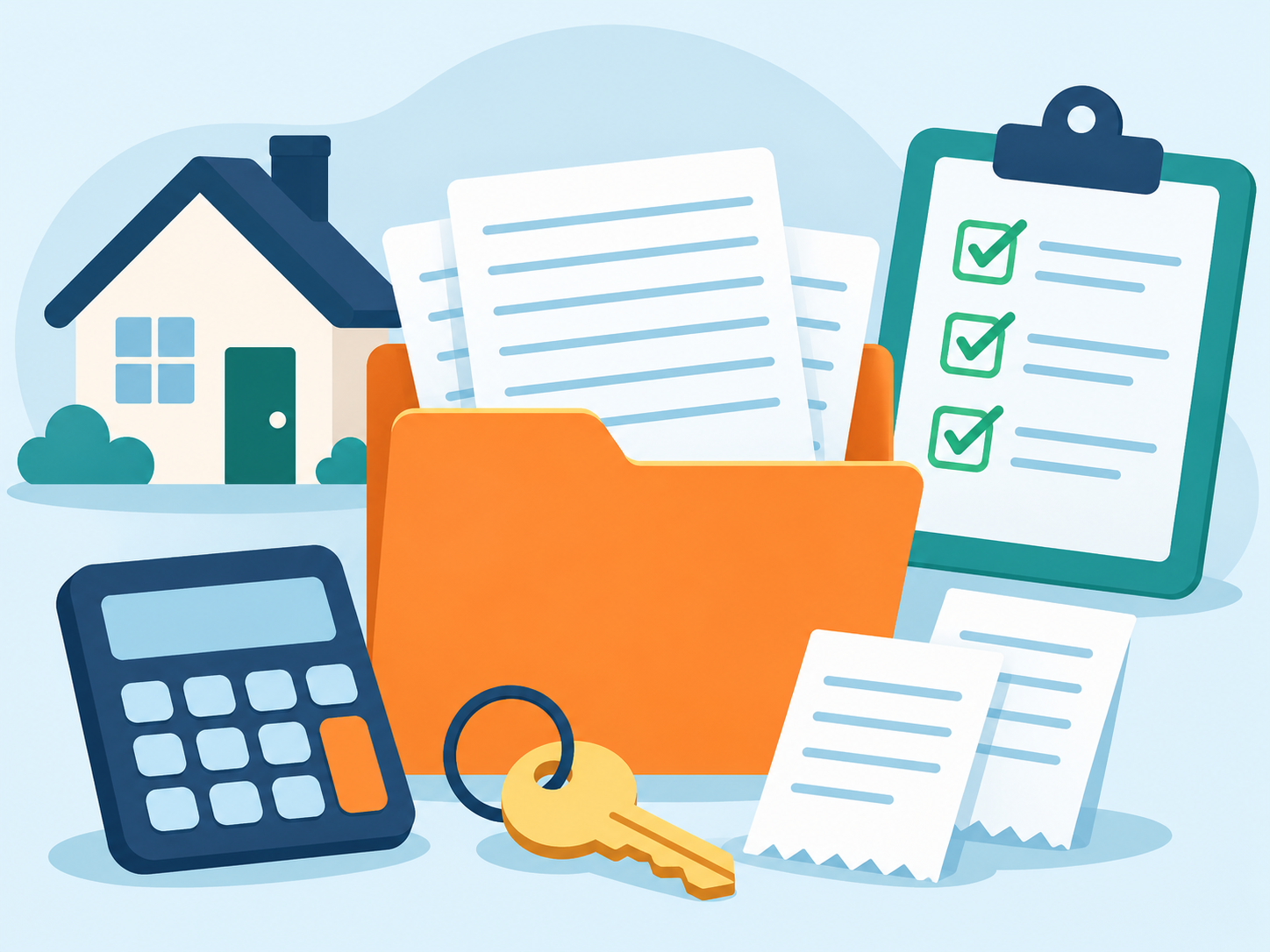
Collect the documents that explain the financial activity for each property. These may include rent summaries, property management statements, mortgage interest information, insurance documents, expense invoices, and relevant tax forms.


Step 3 Review Your Return and Keep Your Records Organized
Once the applicable return has been prepared, we explain the property information reported and give you an opportunity to review it. You can ask about figures, check property details, and clarify anything that does not look right before approving submission.
The 3-Step Process For
Real Estate Tax Preparer helps
Step 1 Schedule Your Real Estate Tax Consultation
Contact Citi Tax Financial and tell us about the properties involved. Explain where they are located, how they are owned, and how they were used during the tax year.

Step 2 Gather Your Property Income and Expense Records
Collect the documents that explain the financial activity for each property. These may include rent summaries, property management statements, mortgage interest information, insurance documents, expense invoices, and relevant tax forms.

Step 3 Review Your Return and Keep Your Records Organized
Once the applicable return has been prepared, we explain the property information reported and give you an opportunity to review it. You can ask about figures, check property details, and clarify anything that does not look right before approving submission.
Citi Tax Financial-
Service Areas


Real Estate Tax Preparer FAQ's
Q:What should I bring to a real estate tax appointment in Augusta?
A: Bring your previous tax return, rental income summaries, expense records, property management statements, and previous depreciation schedules. Include documents for purchases, sales, and significant work completed on the property. Explain how each property was used during the year and whether anything changed. When you book, we can discuss which additional records may be needed for your circumstances.
Q: What if some of my property records are missing?
A: Tell us which documents are unavailable and what information you still have. Replacement invoices, lender records, management statements, or copies from a previous preparer may help fill specific gaps. Do not estimate figures without explaining the missing support. We can discuss the information required and what needs to be obtained before preparation can be completed.
Q: Does this service include county property assessment appeals?
A: This page concerns income tax preparation involving real estate. A county assessment appeal, valuation dispute, or related legal matter is a separate type of work. If that is the help you need, explain it before booking. Confirm the appropriate service rather than assuming an income tax preparation appointment covers the assessment process.
Q: What documents are needed if I sold a rental property?
A: Bring the sale closing statement, original purchase information, improvement records, and prior depreciation schedules. Include documents explaining ownership changes or earlier changes in use.
The sale price alone is not enough to review the transaction. Tell us about the sale when booking so the document requirements and preparation scope can be discussed early.
Monday - Friday: 10:00 AM - 7:00 PM
Saturday: 10:00 AM - 6:00 PM
Sunday: Closed


Citi Tax Financial-
Service Areas
Real Estate Tax Preparer FAQ's
Q: What should I bring to a real estate tax appointment in Augusta?
A: Bring your previous tax return, rental income summaries, expense records, property management statements, and previous depreciation schedules. Include documents for purchases, sales, and significant work completed on the property. Explain how each property was used during the year and whether anything changed. When you book, we can discuss which additional records may be needed for your circumstances.
Q: What if some of my property records are missing?
A: Tell us which documents are unavailable and what information you still have. Replacement invoices, lender records, management statements, or copies from a previous preparer may help fill specific gaps. Do not estimate figures without explaining the missing support. We can discuss the information required and what needs to be obtained before preparation can be completed.
Q: Does this service include county property assessment appeals?
A: This page concerns income tax preparation involving real estate. A county assessment appeal, valuation dispute, or related legal matter is a separate type of work. If that is the help you need, explain it before booking. Confirm the appropriate service rather than assuming an income tax preparation appointment covers the assessment process.
Q: What documents are needed if I sold a rental property?
A: Bring the sale closing statement, original purchase information, improvement records, and prior depreciation schedules. Include documents explaining ownership changes or earlier changes in use. The sale price alone is not enough to review the transaction. Tell us about the sale when booking so the document requirements and preparation scope can be discussed early.
706-710-4005
Service Hours
Monday - Friday: 10:00 AM - 7:00 PM
Saturday: 10:00 AM - 6:00 PM
Sunday: Closed
Social Media


